
Our services
Request an appointment
Reserve your spot with our medical team in just minutes.

Restore Symmetrical Movement, Voluntary Smiling, and Facial Function
Facial paralysis happens when damage to the facial nerve interrupts the signal between the brain and the muscles that control expression. This can affect basic daily functions like closing the eyes properly, speaking clearly, eating, and drinking, along with causing real emotional distress due to visible facial asymmetry. It's commonly linked to physical trauma, tumor removal surgery, middle ear infections, stroke, or long standing Bell's palsy.
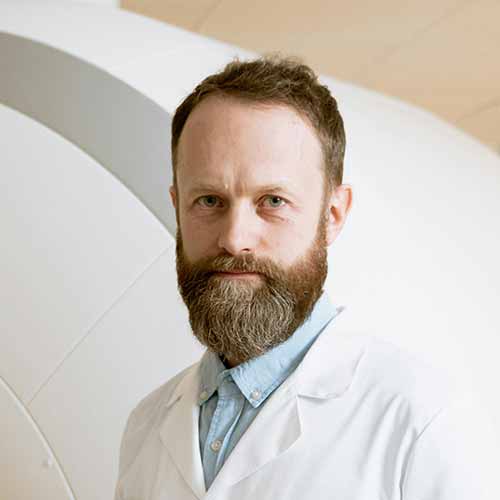
Dr. Sushrut Kalra provides specialized facial paralysis treatment and advanced facial reanimation surgery in Jaipur. Using detailed microsurgical nerve grafting and muscle transfer techniques, every treatment plan is built around your specific timeline and condition, with the goal of restoring natural, voluntary facial movement.
How Facial Paralysis Can Affect You
-
Noticeable Facial Asymmetry The resting position of the face shifts toward the healthy side, causing the affected side to droop or appear flatter.
-
Difficulty Smiling Loss of muscle control can freeze the corner of the mouth, making it hard to smile evenly or show normal expressions.
-
Incomplete Eye Closure When the eye can't fully close or blink properly, it can lead to dryness, irritation, and a higher risk of corneal damage.
-
Speech and Eating Difficulties Weakened cheek and lip muscles can cause drooling, food getting stuck while chewing, and unclear speech.
-
Nerve Damage From Injury Facial weakness can result from deep cuts, skull fractures, surgical complications, or severe nerve inflammation.
-
Treatment Based on Timing Surgical options depend on how long the paralysis has been present. Nerve repair works best for recent injuries, while muscle transfer is used for long standing cases.
-
Restoring Natural Movement The main goal of surgery is to help the face move symmetrically again during everyday conversation and expression.
-
Recovery Through Rehabilitation Getting the best results requires both careful surgical planning and dedicated facial physiotherapy afterward.
Meet our doctors
Our board-certified surgeons bring extensive experience, precision, and empathy to every consultation and procedure. With a shared commitment to patient satisfaction, they work collaboratively to deliver stunning, natural-looking results.


Questions about appointments
Have questions about scheduling or what to expect? Here are answers to common inquiries to help you feel fully prepared.
Long term paralysis is often caused by facial nerve injury from trauma, accidental nerve damage during tumor surgeries, skull base fractures, or Bell's palsy that hasn't improved after 6 to 9 months.
No. New cases of Bell's palsy are usually treated first with medication, steroids, and physical therapy under observation. Surgery is generally reserved for cases where the nerve has lost the ability to recover on its own.
For recent nerve damage, procedures like nerve grafting or nerve transfers help reconnect the existing facial muscles. For long standing paralysis where the muscles have wasted away, a muscle transfer procedure, often using a small muscle from the thigh, is used to rebuild a natural smile.
It's best to get evaluated within 3 to 6 months if there's no sign of early recovery. Acting early keeps more treatment options open, since some nerve transfer techniques become far less effective after 12 to 18 months.
The goal is to restore good resting symmetry, help the eye close properly, and bring back a natural, functional smile. It may not fully match the exact movement of the unaffected side, but it significantly reduces visible asymmetry during speech and expressions.
Initial healing takes about 2 to 3 weeks, but since nerves grow slowly, it can take 4 to 6 months before the transferred muscle shows its first signs of movement. Facial physiotherapy during this period plays a big role in training the new muscle movement.